
Entertainment Is the New Marketing Frontier
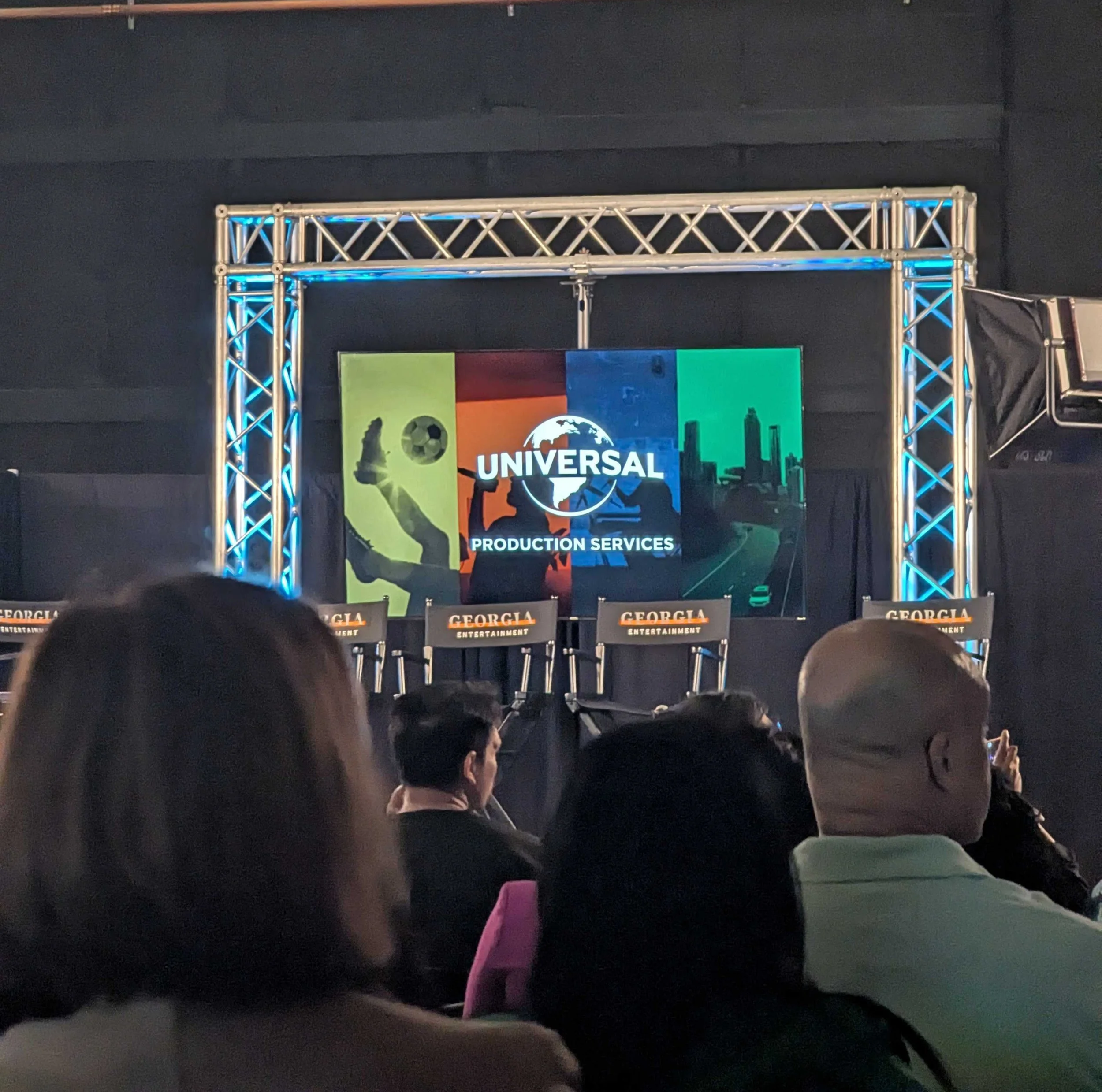
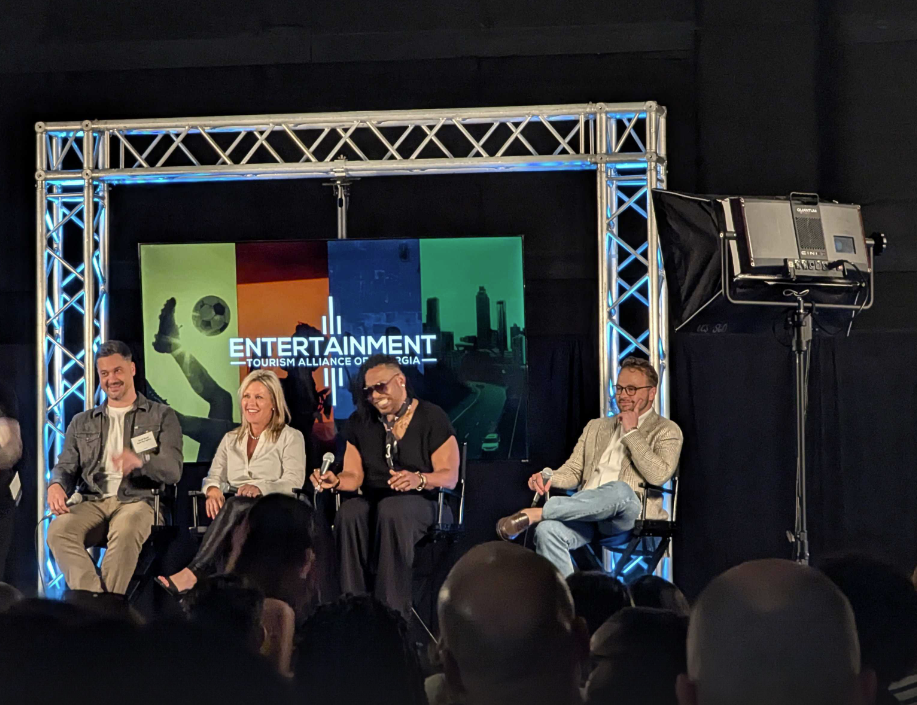
On April 22, SEAT | Sports, Entertainment, Art & Tourism brought leaders to Assembly Studios to explore what is the truth — sports, film, tourism, the arts, and brand storytelling are no longer existing in separate lanes. Georgia Entertainment and AMA Atlanta came together to emphasize that these sectors are increasingly shaping Georgia’s creative economy together.
Because, as one of the speakers proudly shared, “We’re fly as F***” — a quote that was echoed throughout the rest of the event.
Marketing is no longer just competing with other marketing, marketing is competing to stay relevant amongst entertainment itself and to become more integrated instead of disruptive. Audiences are comparing campaigns to more than just another commercial, they are comparing your ad to everything else — what they watched, played, streamed, attended, or shared this week.
Every speaker at the event emphasized that the key to engagement and breaking through the noise is finding relevance and relatability through compelling storytelling.
In a Forbes Brand Storytelling piece about the future of brand storytelling, Jordan P. Kelley wrote that brands are increasingly forced to ask a harder question than how to interrupt; the question now is, “How do we engage, entertain, and inspire?” The same article argues that storytelling has moved “out of the creative department and into the boardroom,” reflecting how brand narrative is now tied to strategy, not just campaigns. This article supports the key message the speakers were sharing — audiences crave storytelling, and meaningful and emotional marketing actually has a longer lasting impact on them.
Why Entertainment x Marketing Crossover Matters
There are at least four forces pushing entertainment and marketing closer together.
Storytelling outperforms interruption. A 2025 Artlist trend report cited that 76% of consumers prefer brands that offer engaging, story-driven content over traditional advertising methods. That is a massive signal for marketers still relying too heavily on promotional creative without narrative depth. During one of the conversations, micro dramas was brought up several times as a way for brands to integrate themselves into the consumer’s life.
Creators and partner ecosystems are pulling budgets toward entertainment-style marketing. Kelley’s Forbes article noted that creator and partner ecosystems have shifted from “experimental line items” to significant budget allocations, while Ad Age’s recognition of Whalar as its 2025 Social Media/Influencer Agency of the Year underscored how quickly creators, athletes, producers, and advertisers are blending together. Whalar’s own positioning, as summarized by Ad Age, is rooted in the idea that advertisers are still attached to building TV ads and redistributing them across social.
Sports are now year-round media properties, not just live events. ADWEEK’s 2025 Sports Marketing MVPs package made this explicit, arguing that in the digital era, sports are “not confined to their fields of play” and that smart sports marketers are creating fan experiences and branded moments far beyond game day. That matters because it shows how sports marketing has evolved from sponsorship visibility into content, fandom, community, and culture. In Atlanta, we’ve seen this firsthand as places like the Battery have built an entire commercialized community around the stadium, so that the area can attract consumers throughout the year.
Immersive and experiential marketing is gaining strategic weight. Ad Age’s 2026 Experiential Agency of the Year recognition for Momentum, as reported by AdTechEdge, highlighted the growing importance of live experiences for brands seeking deeper consumer connections in an increasingly digital world. This reinforces that in-person environments, production infrastructure, and cultural events are not side dishes to brand strategy; they are, in fact, part of the main course.
Sports + Entertainment + Art + Tourism = Growth
This combination is especially true in Georgia and the reason why the SEAT event is timely. Representatives from global sports events, film production, and brand storytelling gathered, speaking about how sports franchises and brands are building media ecosystems that reach far beyond a single event or venue.
Tourism is part of the equation as well, considering attracting external funding will pour back into the city. The Entertainment Tourism Alliance of Georgia notes that a one-hour television episode on location can generate up to $150,000 per day in the local economy, supporting local employment and hospitality. Entertainment is enjoyable content and demand generation for places, venues, local businesses, and cultural identity. One of the sessions kept emphasizing the benefit of the tax break — utilizing the talent, drive, and culture of Atlanta while also not spending everything to make it possible.
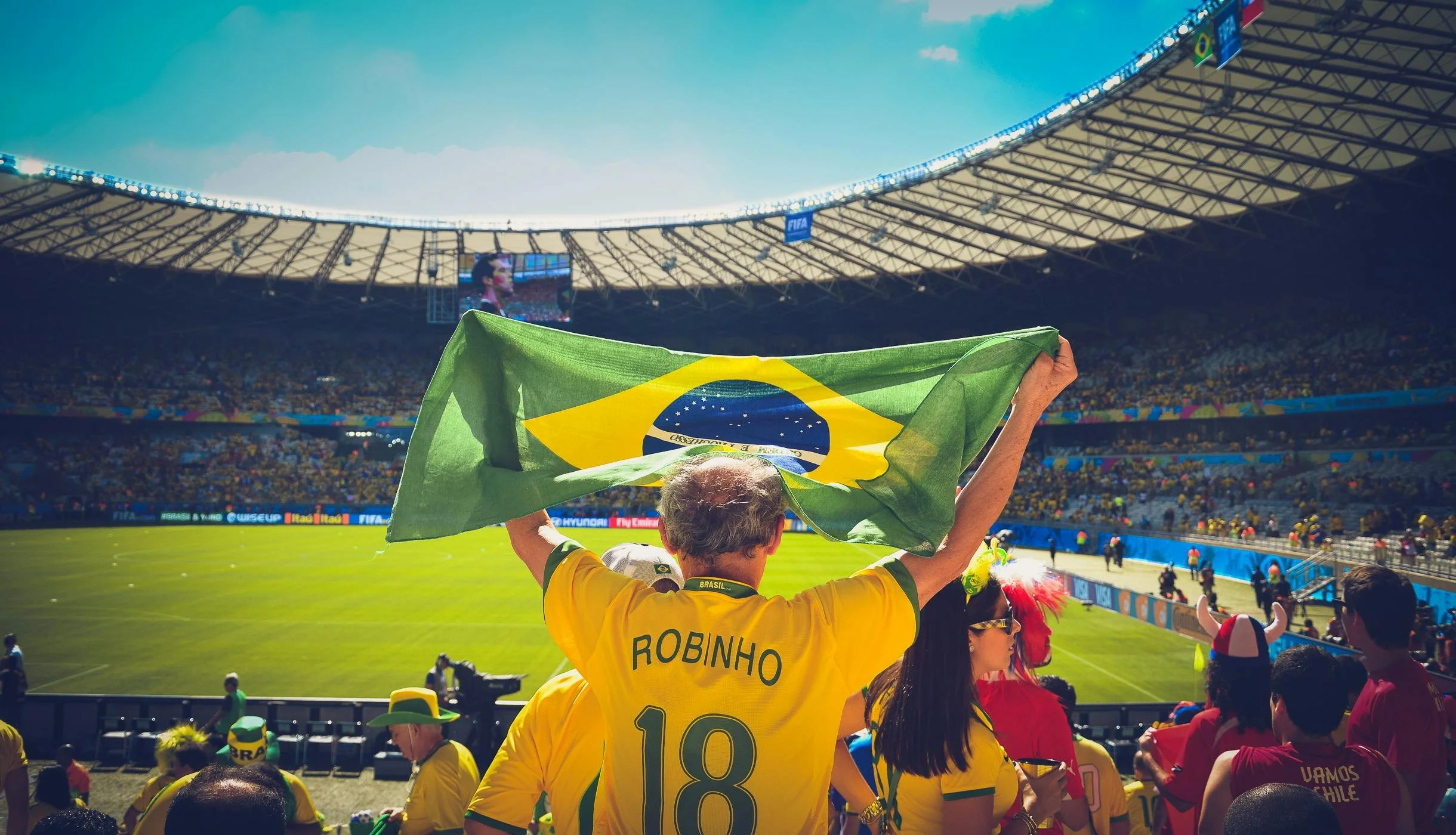
Forbes also reported digital gatherings that showed brands spent $229 million on virtual-world marketing in 2025, with 88% of brand activity concentrated on Roblox or Fortnite, as marketers moved away from building standalone worlds and toward integrating into existing creator-built communities where scale and engagement were already proven. This is a helpful lesson for marketers when it comes to partnerships: do not build disconnected brand islands when you can plug into living communities with real fandom. As the World Cup takes over Atlanta in the next few months, we will witness in real time how brands will integrate themselves in the established culture.
5 Marketing Takeaways
1. Your brand has to earn attention like a TV show, not buy it like a banner
Entertainment teaches marketers that attention is earned through emotion, tension, character, and payoff. Emotionally resonant work is more likely to be remembered, preferred, and chosen. That is a sharp contrast to flat performance creative that may drive a short click but leaves no cultural residue and feels more “in the way.”
2. Sponsorship alone is not enough
The old model of logo placement is fading. In a Forbes article about maximizing sports advertising, Nandini Sankara wrote that the most successful sports partnerships go far beyond signage and logo placement and are rooted in shared values, authentic storytelling, and fan engagement that extends well beyond game day. Awareness buys do not work anymore, but story platforms do.
3. Culturally relevant work wins
Ad Age’s profile of UEG, its 2025 Sports and Entertainment Agency of the Year, praised work that was “culturally relevant and timely” and made sure campaigns could still “ring the cash registers.” Cultural traction will bring relevance and revenue.
4. Great brand experiences are multidisciplinary by nature
The best modern campaigns often require marketers to think like producers, experience designers, partnership strategists, and community builders at once. Forbes’ look at the Formula 1 Miami Grand Prix called it a showcase for what happens when sports, culture, hospitality, technology, luxury, and lifestyle marketing come together. This is an example of a brand building through an existing ecosystem.
5. Georgia is uniquely positioned for this moment
Every speaker could not emphasize enough how Georgia is built for the current momentum. Georgia has the production infrastructure, sports calendar, tourism engine, people, talent, and creative energy to make this convergence especially powerful. SEAT’s own organizers describe the state as one of the most important places in the country to have this conversation because of its production infrastructure and cultural momentum. That combination plus the tax incentive and untapped potential creates real opportunities for brands looking to build programs that are locally rooted and nationally resonant.
The crossover between entertainment and marketing has existed forever, but we are at an interesting point in history where entertainment impacts everything. The future belongs to brands that can operate inside culture and be a part of the community, and not just advertise around it. That means building ideas that people want to experience, share, attend, remember, and talk about. It means designing for fandom and optimizing on efforts that service the consumer’s desires.
Marketers already do a stellar job capitalizing on events for The Super Bowl or The Olympics, and they have been integrating media through product placement on favorite TV shows for decades, but marketers have to take their strategies a step further. From a stage, a stadium, a film set, a creator collaboration, or a city with a worldwide event, brands need to turn culture into momentum.






Setup CEO + Founder, Joe Koufman, sat down with Meredith Winczewski, the Chief Marketing Officer for Honeywell, to talk about authentic leadership, the value of listening, why marketers should not be afraid of lateral career moves, the importance of digging into data, and how AI is helping make complex marketing work more efficient.