
2025 Marketing Trends + Priorities for 2026 Across Industries
Whether you're in fintech or beauty, retail or wellness, nonprofit or beverages, the marketing problems, pressures, and breakthroughs are surprisingly similar.
Over the past year, we’ve watched the following patterns emerge across seemingly unrelated sectors: rising consumer expectations, demand for authenticity, growing complexity, and the tension between automation and human connection.
We interviewed multiple marketers from an array of industries in our blogs below, and we discovered consistent trends across the board. Check out all of our industry blogs throughout 2025 from leaders at Blackbaud, Hiscox USA, Mimedx, MONPURE, Kimberly-Clark Professional, and more:

Marketing in the Nonprofit Sector: Lessons from Blood Cancer United’s Chief Experience Officer
Brewed for Impact: How BLK & Bold Is Leading the Next Wave of Beverage Marketing
Purpose, Proof + Personalization | Secrets to Marketing in the Beauty Industry
The Evolving Financial Industry | Balancing AI, Compliance + Creativity in 2025
The Rise of AI in 2025: Leveraging your Tech Stack While Preserving Human Connection
If there’s one thing brands and agencies across industries should take away from 2025, it’s this: the future belongs to those who combine data-driven precision with human empathy, clear purpose, and operational agility.
What We’re Seeing: Common Pressures Across Industries
Consumers expect personalization + prefer authenticity
In beauty, wellness and retail, shoppers don’t want generic targeting. Consumers want messaging, experiences, and offers that feel like “you know me.” But as many recent analyses show, brands are failing: millions are invested in personalization tech, yet only a fraction of consumers feel seen. According to a 2025 marketing forecast: hyper-personalization is among the top capabilities for brands to stay relevant.
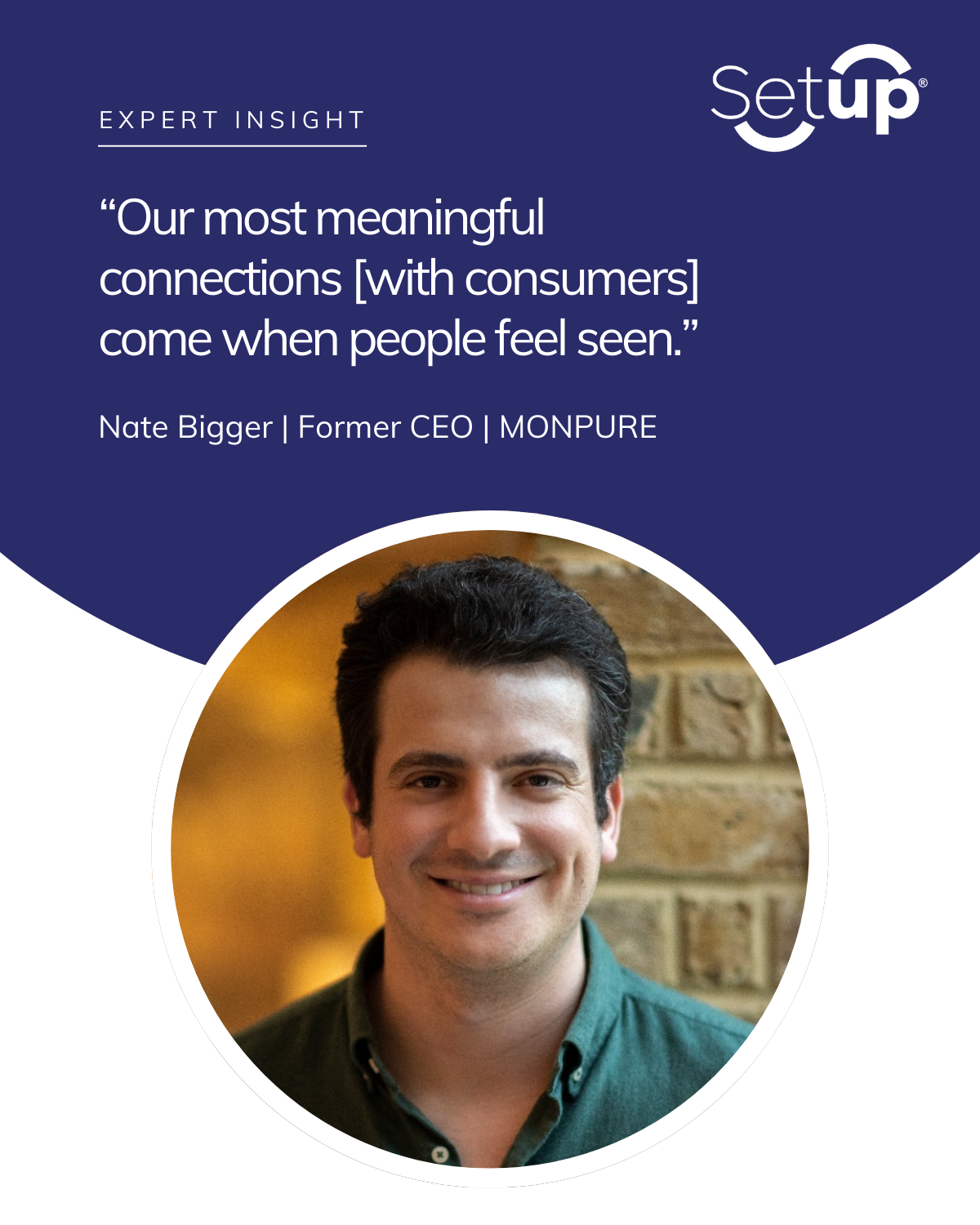
Nate Bigger, former CEO of MONPURE, captured the heart of this shift:
“Our most meaningful connections [with consumers] come when people feel seen.”
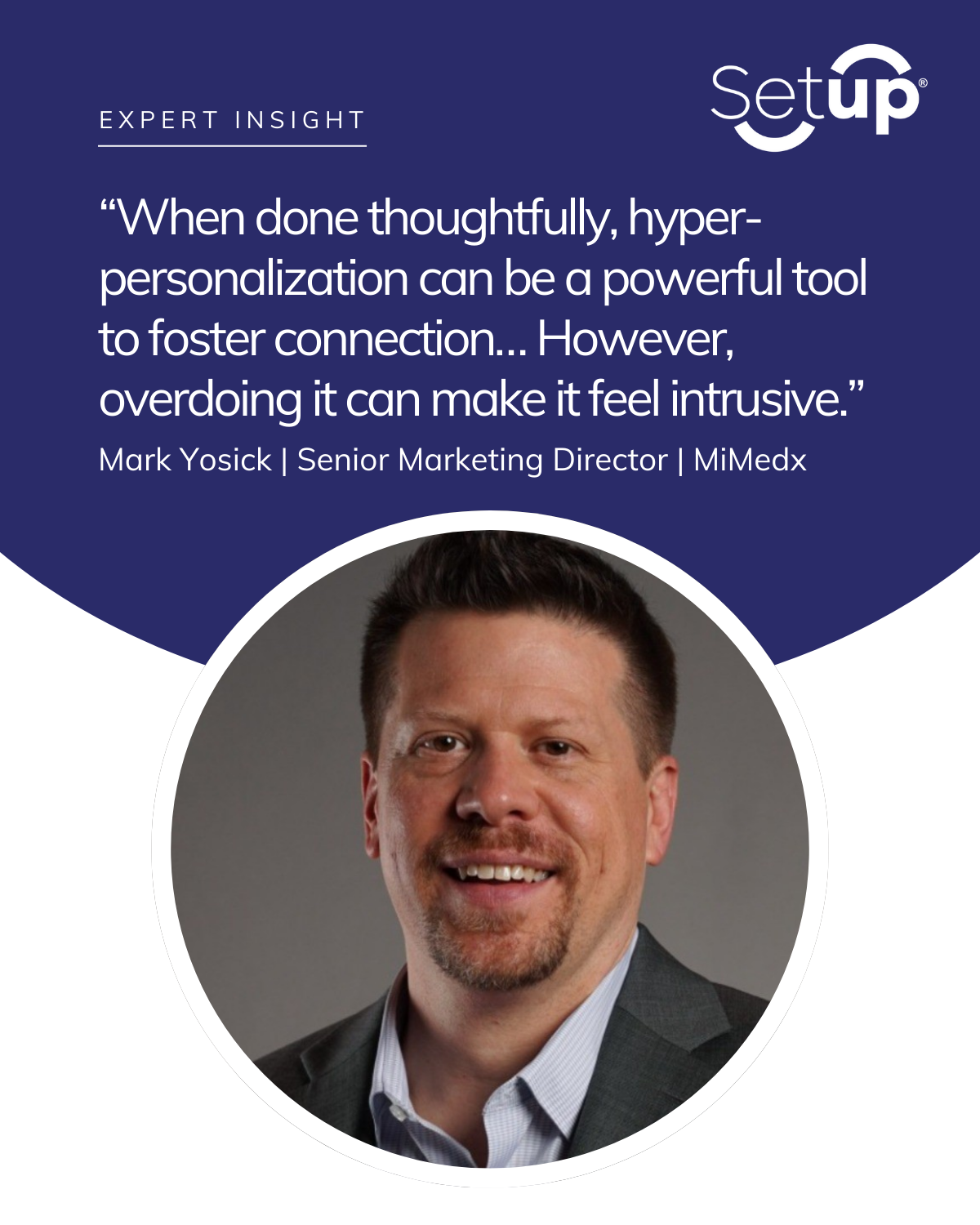
But consumers are quick to recognize when personalization feels engineered rather than earned. As Mark Yosick, Senior Marketing Director at MiMedx, explains:
“When done thoughtfully, hyper-personalization can be a powerful tool to foster connection… However, overdoing it can make it feel intrusive.”
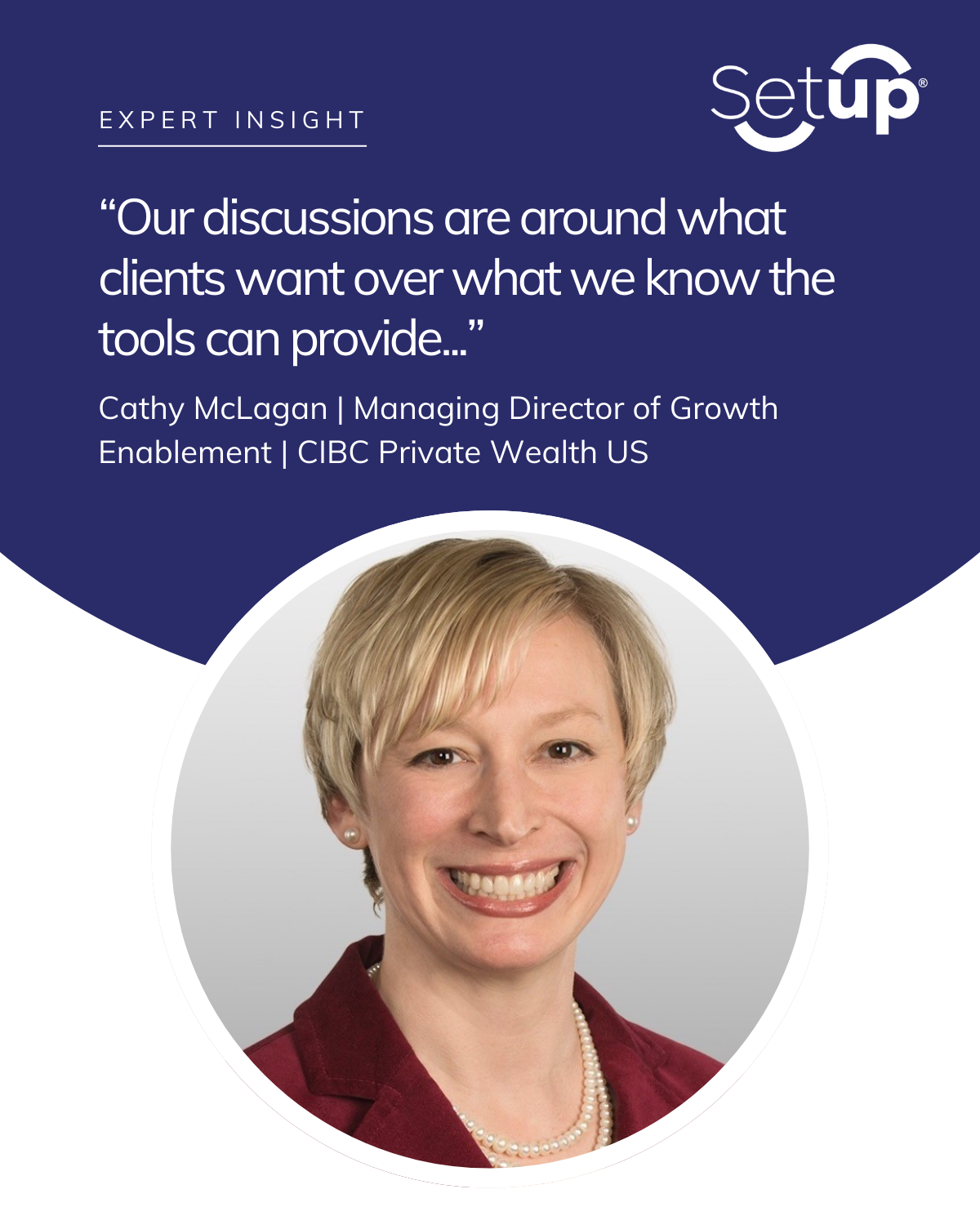
This tension is even sharper in regulated sectors. Cathy McLagan, Managing Director of Growth Enablement at CIBC Private Wealth US, noted:
“Discretion in client dealings is often a key part of private wealth… Adding personalization tools, fintech, and associated data gathering requirements can challenge that long-standing approach.”
She added: “Our discussions are around what clients want over what we know the tools can provide… comfort with privacy differs [across generations]. The message across industries: personalization is a tool and authenticity is the differentiator.
AI increases speed and scale, but human connection is critical
More businesses are integrating AI for content, automation, predictive analytics, and optimization. For instance, Mark Yosick from MiMedx shared “I frequently use AI for summarizing market research or organizing project plans, which frees up time to focus on crafting messages that are both human-centered and aligned with compliance requirements. Brands succeed when they pair AI-driven efficiency with a personal, empathetic approach to engagement.”
In 2025, many marketers point to AI, voice search, AR, video and data-driven decisioning as core to staying competitive.
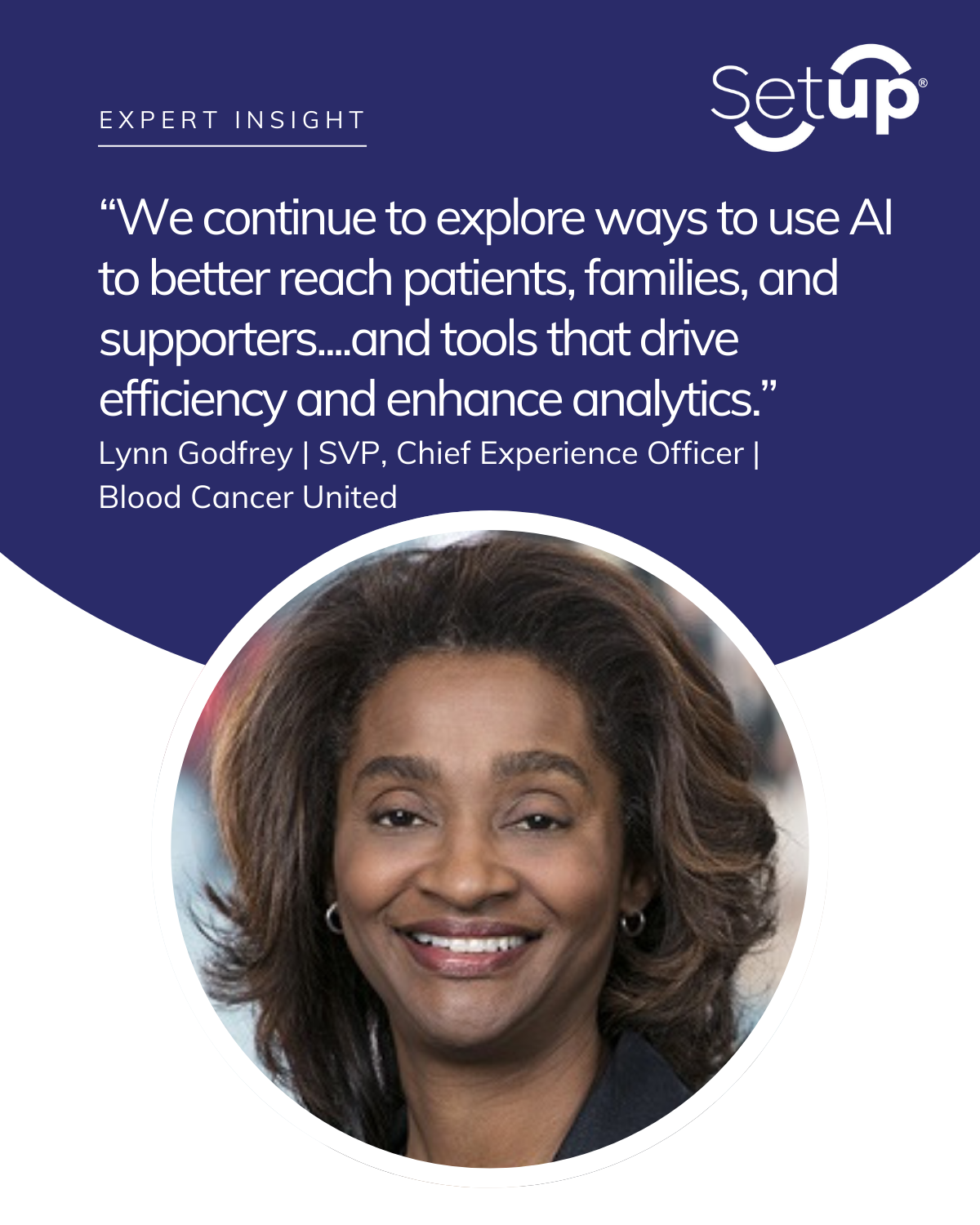
Even in nonprofit marketing, where mission matters more than margins, the call is the same to use AI to improve efficiency but not overtake the cause. Lynn Godfrey, the SVP, Chief Experience Officer for Blood Cancer United, noted “We believe AI is here to stay, and we continue to explore ways to use it—along with data—to better reach patients, families, and supporters. More broadly, we are continually seeking tools that drive efficiency and enhance analytics. Collaboration across teams—especially with IT and Innovation—ensures any new technology aligns with organizational goals and is thoughtfully vetted.”
Yet even as tech scales, the brands garnering loyalty are those that balance personalization with authenticity, delivering emotionally resonant experiences, not just data-driven targeting.
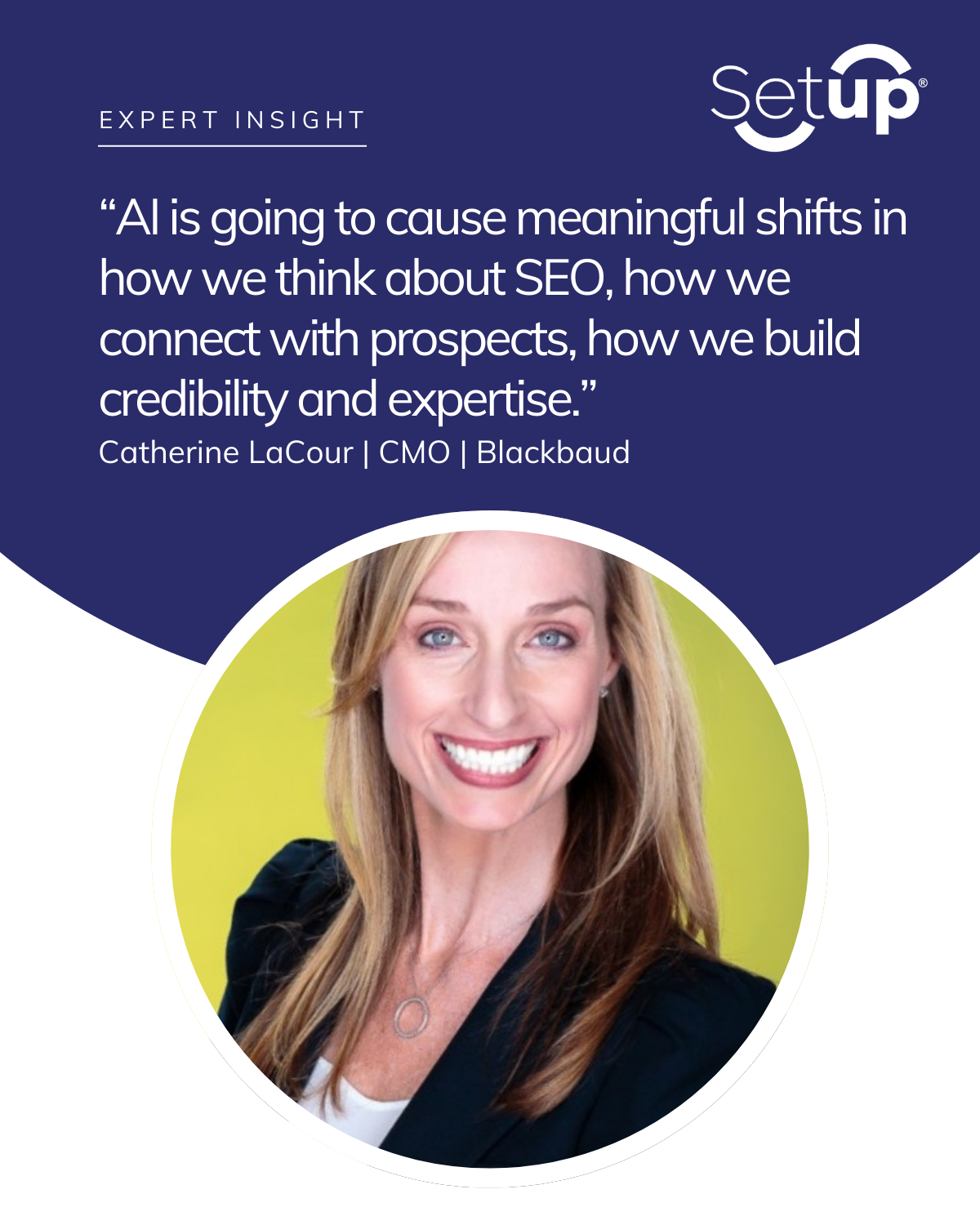
In our article, “The Rise of AI in 2025: Leveraging your Tech Stack While Preserving Human Connection,” where we interviewed Sharon Carothers (the Managing Director of SensisHealth), AJ Brustein (the former VP Marketing at SmartNews), and Catherine LaCour (the CMO of Blackbaud), Carothers explained about the possibilities of AI and the importance of the human touch. “Think about the last time you saw an ad that felt like it was custom made just for you. That’s hyper-personalization at work and AI now helps brands analyze tons of data in real time, crafting messages and offers tailored specifically to your interests.”
The tool should advance, but not overtake, because consumers know and can feel when someone is taking advantage of them. The consensus: AI scales execution; humans scale meaning.
“AI can enhance authenticity—if used with intention. It helps marketers listen, respond, and connect more meaningfully, freeing them to focus on storytelling and empathy. But when AI replaces rather than supports the human element, we risk losing trust and emotion. Authenticity comes not from automation, but from how we use it to reflect real values and voices. The key is staying grounded in purpose.”
Budgets + expectations are rising
All industries are facing the reality that today’s audiences are more fragmented, demand more from brands, and reward more for authenticity.
Nonprofits are increasingly needing multichannel donor journeys, data-driven storytelling, and transparent impact communication. Godfrey shared, “Like all organizations — and particularly nonprofits — we must be very intentional about how we spend. That makes our owned channels — such as our website, blogs, email, social media, events, PR, and partnerships — critical to the success of our campaigns.”
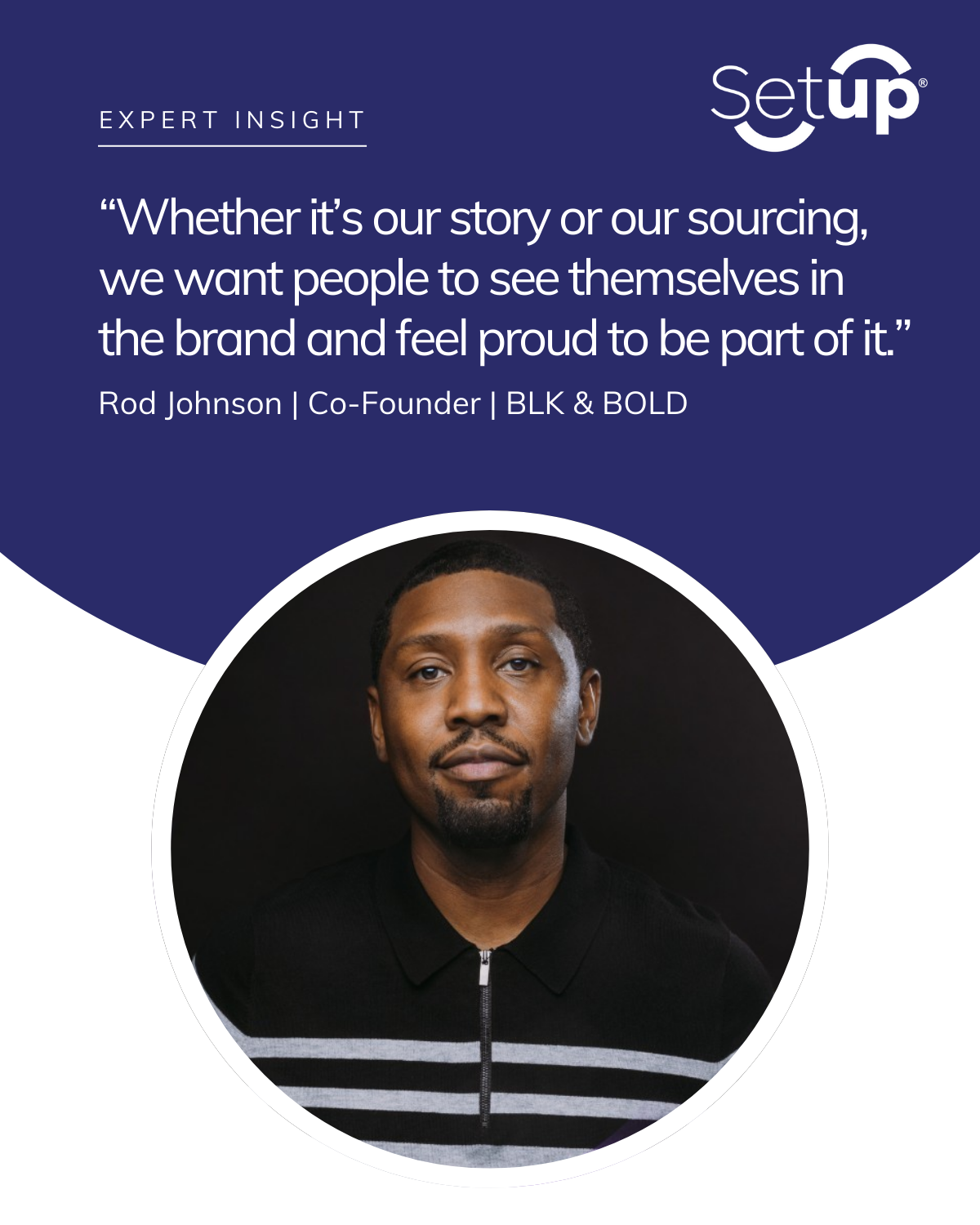
Retail brands struggle to stand out in saturated markets, meaning creative execution, brand story, and purpose matter as much as product. “Authenticity isn’t a strategy for us, it’s the standard. We didn’t build BLK & Bold with a playbook—we built it with purpose. Everything we do reflects who we are, where we come from, and what we stand for,” shared Rod Johnson, the Co-Founder of BLK & Bold.
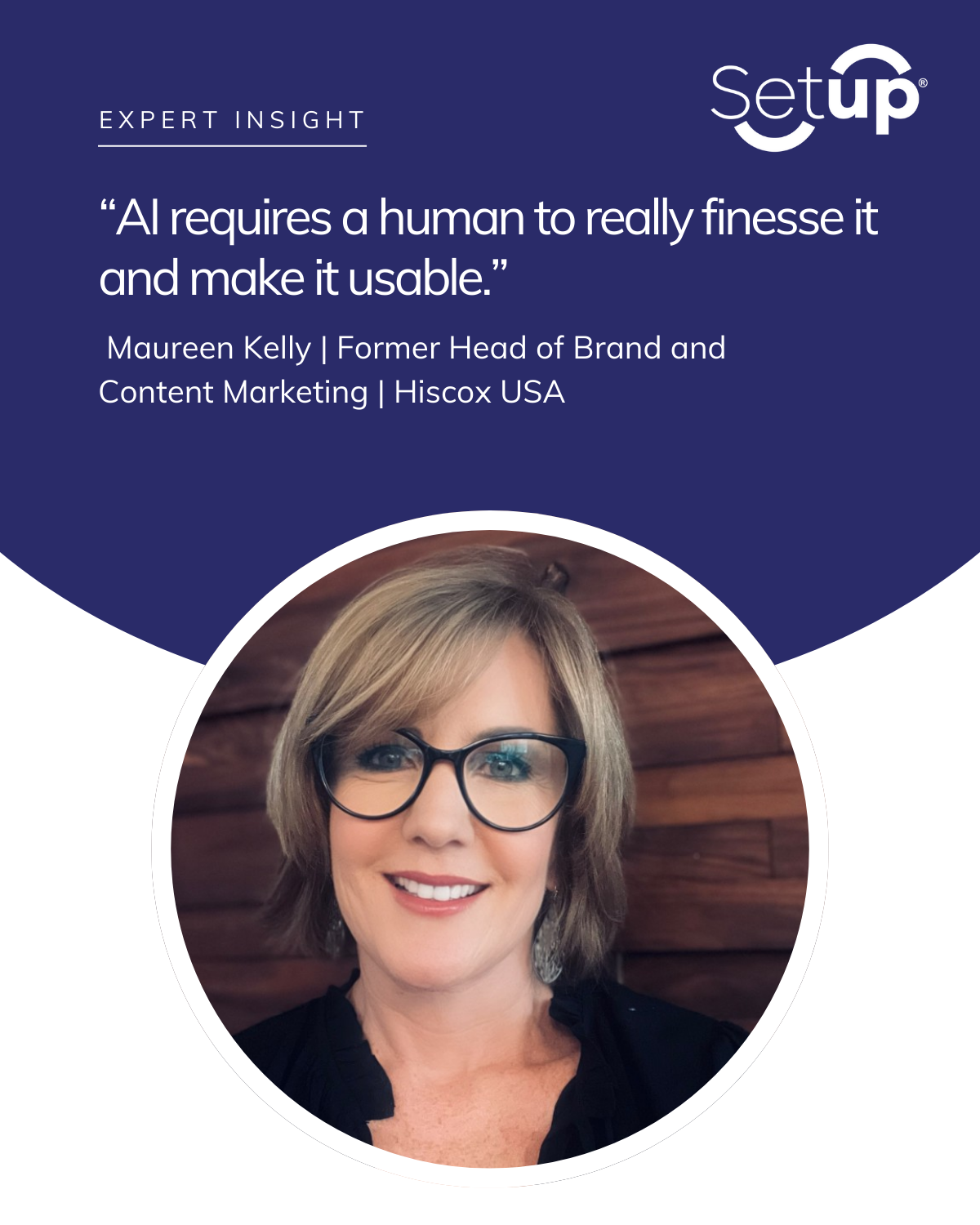
Fintech and financial-industry marketing must balance compliance, complexity, and consumer trust — even as they try to sound modern, accessible, and human. Maureen Kelly, former Head of Brand and Content Marketing at Hiscox USA, talked about how her team is adapting to new tools based on consumer needs, but uses discretion.
More brands, more content, and more tools mean more noise and barriers to reach the consumer and gain loyalty. A campaign here or an email there is no longer enough. Marketers must be smarter, more integrated, and more intentional than ever before.
What This Means for Agencies + Brands in 2026
If you’re building your 2025 marketing strategy these are the focuses to prioritize:
Invest in personalization maturity, not just tools. Treat data, AI, creative, customer understanding, and execution as a unified system. Otherwise “personalization” becomes fragmented and disappointing.
Balance automation with human insight. Let AI handle scale. Let humans handle nuance, tone, purpose, and emotional truth.
Anchor your marketing in story, purpose, and empathy. In a noisy world, people don’t just buy products, they buy meaning, identity, and authenticity.
Think cross-industry. Test what’s working elsewhere. What works in retail might work for fintech. What works in nonprofit might work for wellness. Good ideas travel, and savvy agencies and brands are borrowing liberally.
Be proactive, not reactive. The pace of change is accelerating. Brands that anticipate trends, learn from data, and plan for holistic experiences will outlast those chasing tactical wins.
When we look under the hood of 2025 across industries, everyone is facing the same challenges and noticing the same trends.
If you want to build marketing that works everywhere, that stands for something, and that grows with people, let’s talk.
Setup connects marketers at little to no cost with partners and resources that make their work more efficient, more strategic, and more human.













Over the past year, we’ve watched the following patterns emerge across seemingly unrelated sectors: rising consumer expectations, demand for authenticity, growing complexity, and the tension between automation and human connection.
We interviewed multiple marketers from an array of industries in our blogs below, and we discovered consistent trends across the board. Check out all of our industry blogs throughout 2025 from leaders at Blackbaud, Hiscox USA, Mimedx, MONPURE, Kimberly-Clark Professional, and more.