
Atlanta Has the Ball. What Will the World Remember?
Atlanta has the ball.
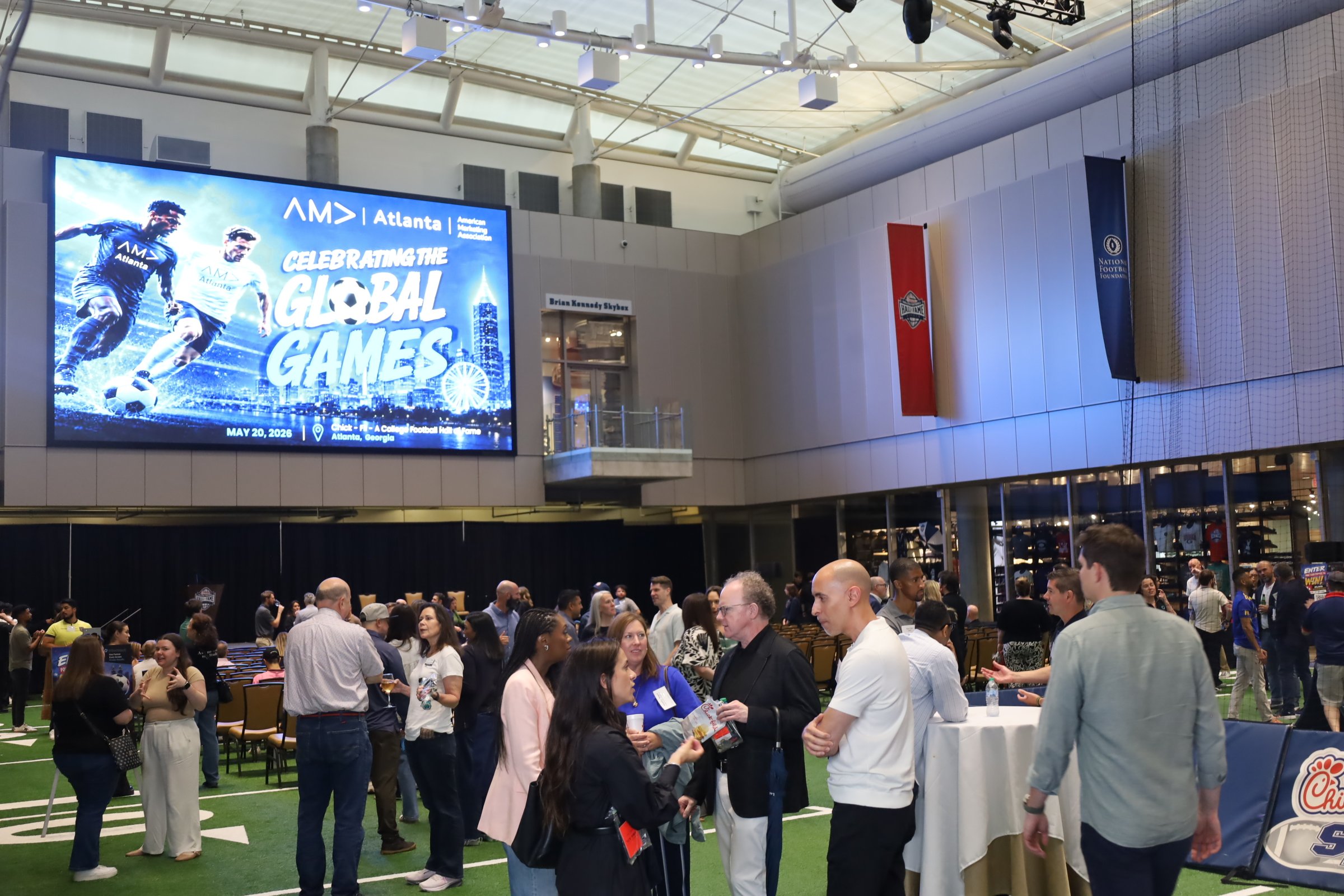
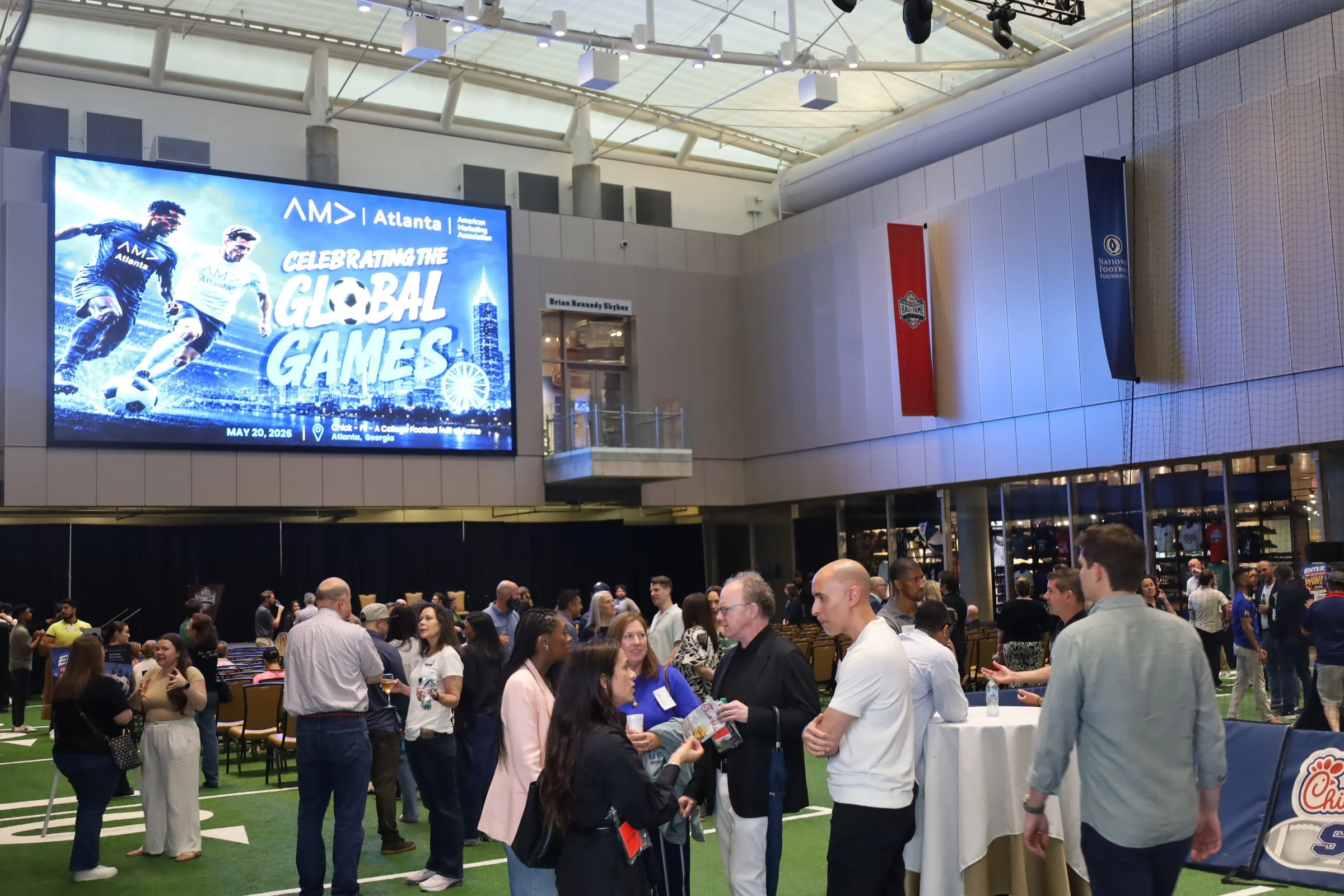
That was the premise of AMA Atlanta’s May 20th event, “The World Stage: Atlanta Has the Ball. What Are You Going to Do With It?” But after listening to leaders from Chick-fil-A, Carter’s, F1 Arcade, Atlanta Braves, Soccer in the Streets, Georgia Power, Resurgens Gaming, Decatur Watchfest 26, Atlanta Influences Everything, and others, the question started to feel even bigger.
It is not just what Atlanta will do with the World Cup. It is what people will remember.
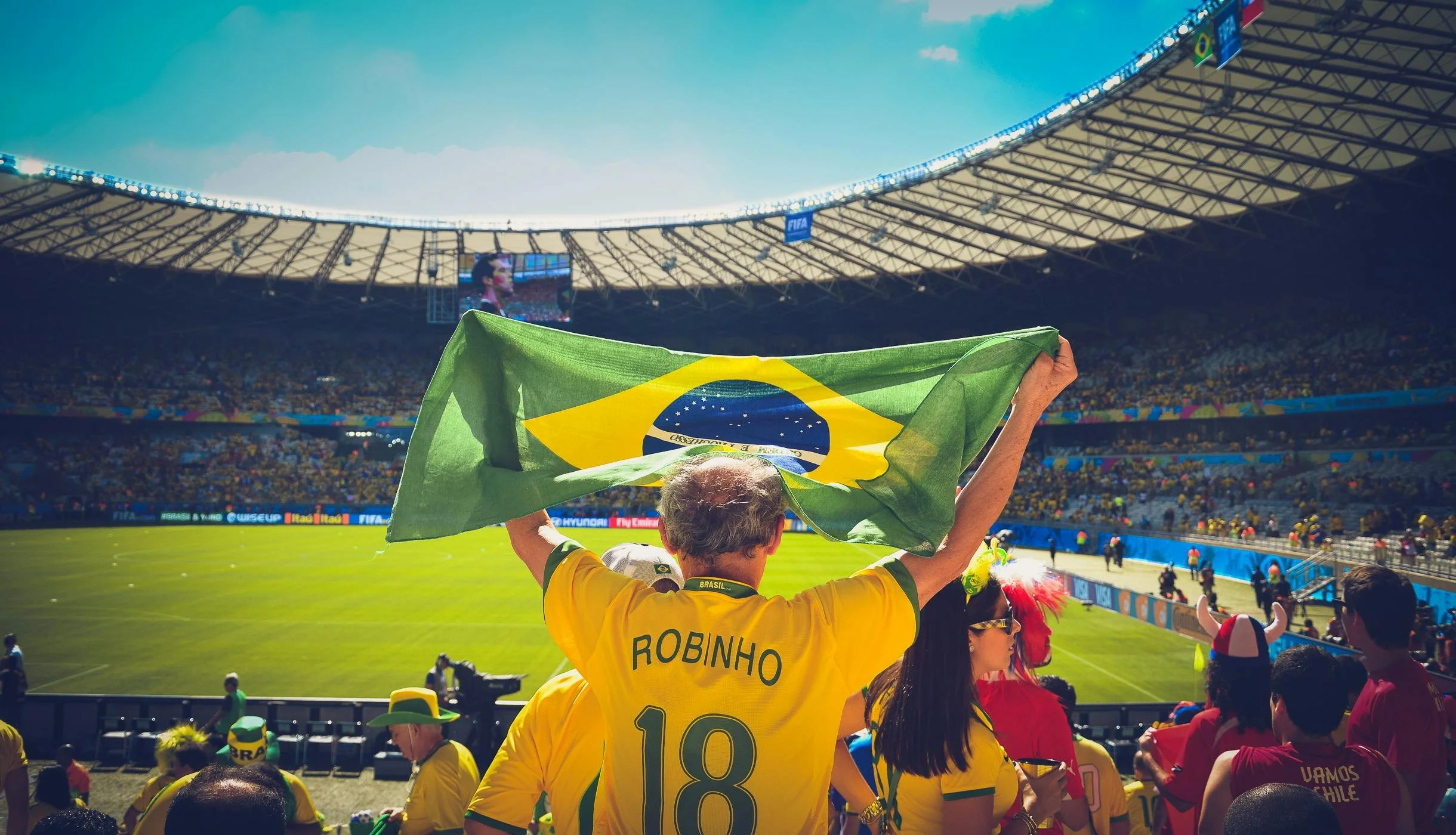
Because sports memories are rarely just about the game. They are about who you were with. What you wore, where you gathered, what the city felt like. The music, the food, the walk to the stadium, the neighborhood watch party, the unexpected conversation, the adrenaline, the feeling that you were part of something bigger than yourself.
For brands, that is the real opportunity. Not simply to show up near the World Cup, but to help create the emotional moments people will carry with them long after the matches end.
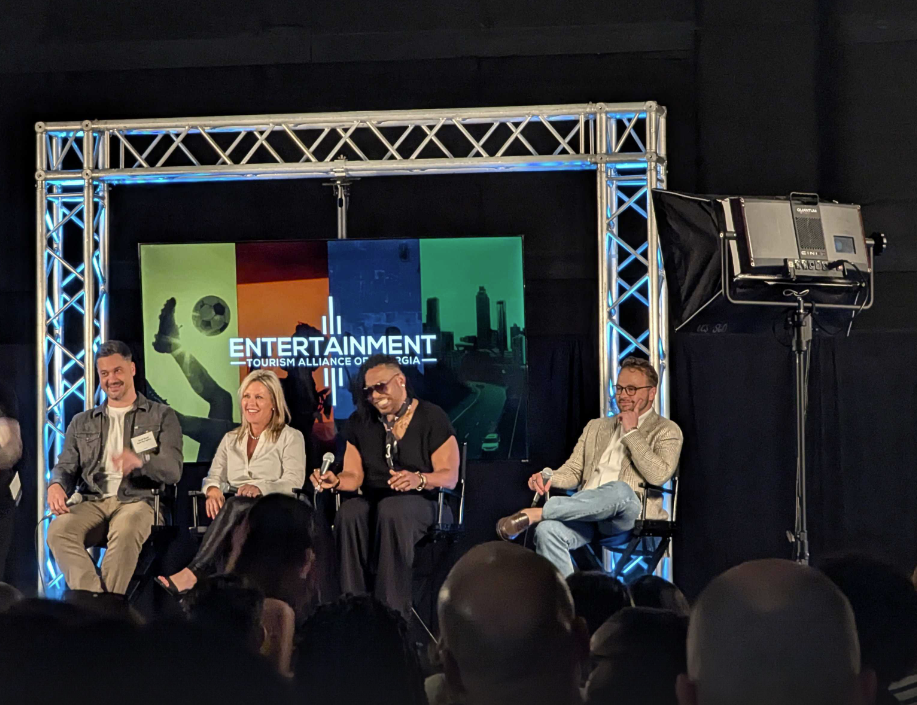
Hosted by AMA Atlanta at the Chick-fil-A College Football Hall of Fame, the event brought together marketers, sports leaders, community builders, and cultural voices to discuss how Atlanta can meet this global moment with creativity, authenticity, and purpose.
Sports are no longer something people simply watch
One of the clearest themes from the event was that fandom has changed. People are no longer content to simply watch sports or any other passion areas from the sidelines. They want to participate. That means they want to wear the jersey, attend the watch party, dress up for the concert, share the content, bring their kids, invite their friends, and feel like they are part of the moment.
That matters for marketers because sports are about the ecosystem around the game rather than solely about the game or the team. Attendees care about the rituals, the relationships, the memories, and the sense of belonging that surrounds events. And marketing is no longer focused on awareness alone. Brands must design programs, sponsorships and campaigns for participation.
The best brands will help people make memories
The most powerful brand opportunities around the World Cup likely won’t come from being the loudest brand, but rather from being part of the moments people remember.
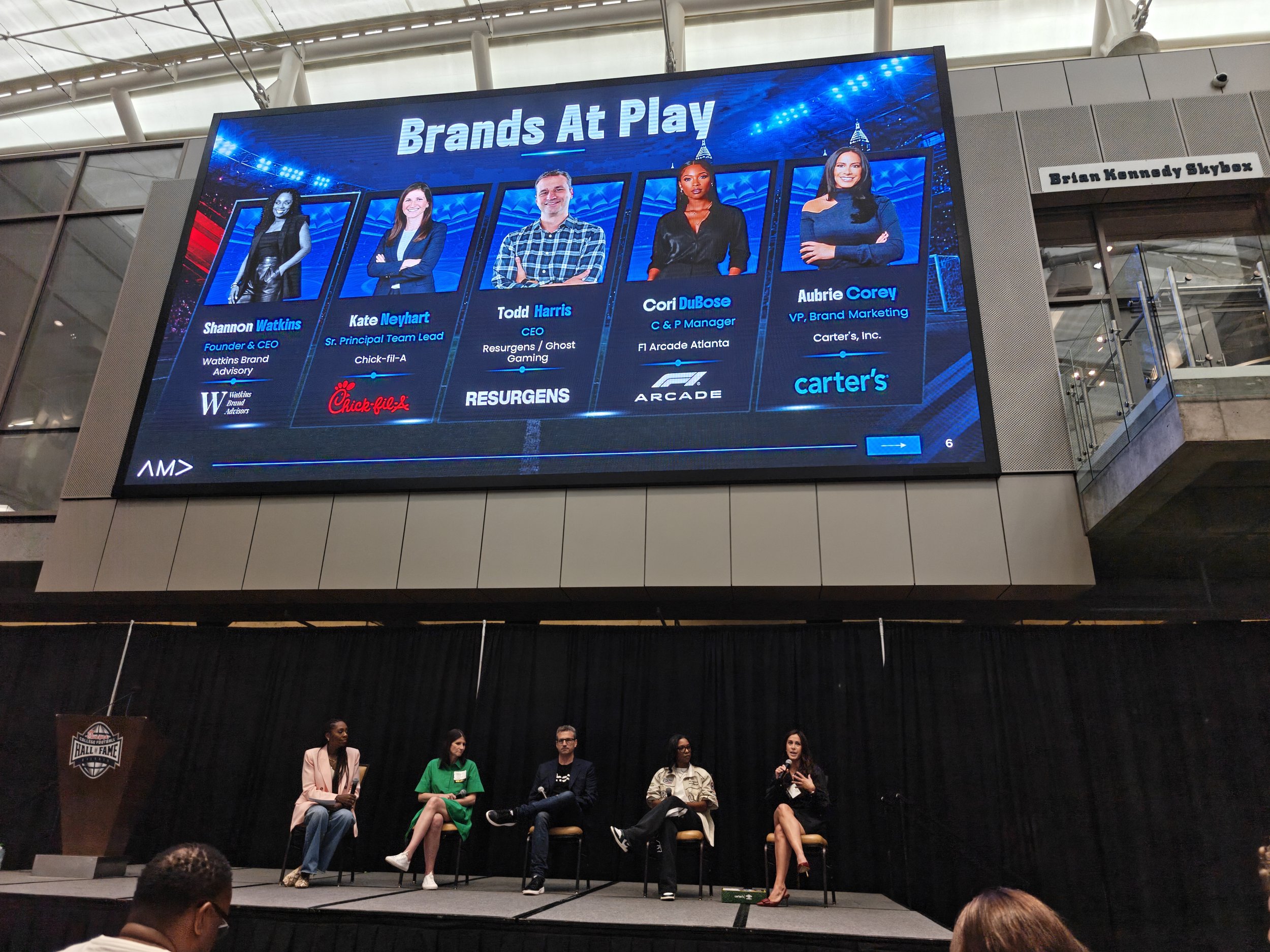
Atlanta-based Carter’s, Inc. offered a great example of this. At first glance, Carter’s may not seem like an obvious soccer brand. But Carter’s is deeply connected to childhood, family, and memory. They partnered with Umbro around the World Cup to produce baby, toddler and kid jerseys (or “kits”) for the World Cup participating countries. VP of Brand Marketing Aubrie Corey said, “We are based in Atlanta. There are games here. Carter’s wants to be a part of those memories as kids wear their favorite team jerseys [made by Carter’s x Umbro].”
People will go to these games. They will outfit their kids in fun, relevant jerseys. They will have fun together, they’ll cheer together, they’ll experience all of the ups and downs together, and what they wore will be embedded into the memories. Carter’s has designed their marketing for participation, not just awareness or visibility. When a child wears a jersey, that jersey can become part of the story: part of the photo, part of the celebration, part of the moment a family looks back on years later.
That is where the connection starts to make sense. Carter’s is not forcing its way into soccer. It is finding a natural place in the family memories that sports often create. Forced connections will not work here, nor will brands who make the moments or experiences about themselves.
F1 Arcade’s C & P Manager Cori DuBose reinforced a similar idea: to make a memory stick, there has to be emotion. Kate Neyhart, Sr. Principal Team Lead at Chick-fil-A, added that when you think about your favorite sports memory, you always remember who you were with, so lean into that. It’s one of the keys to marketing that matters and works in today’s complex landscape.
That is a reminder every brand should take seriously. The emotional power of sport is rarely limited to the final score. It lives in the people, places, and experiences surrounding the game. Identify where and how your brand naturally and organically fits in, tap into that emotional power, and connect with consumers more deeply than other brands focused on older marketing playbooks. Remember that emotional memory is where brand relevance lives.
Atlanta’s advantage is Atlanta itself
Another major theme of the event was Atlanta’s cultural confidence. This city does not need to become something else for the World Cup; it needs to show the world what’s already here.
Atlanta sits at the intersection of sport, music, youth culture, entrepreneurship, art, food, and global influence. Those worlds do not exist in separate lanes here. They overlap and cross-pollinate. They show up in the same rooms, on the same stages, and in the same neighborhoods. That diversity of thought and focus and background creates the blended culture that is Atlanta. Some people may know that Atlanta owns hip-hop and youth culture trends, but they may not know that is just one aspect of what creates Atlanta’s culture — it doesn’t represent all of Atlanta and its influence. There is so much more to this city.
That is Atlanta’s advantage. We do not have to manufacture culture. We must showcase it.
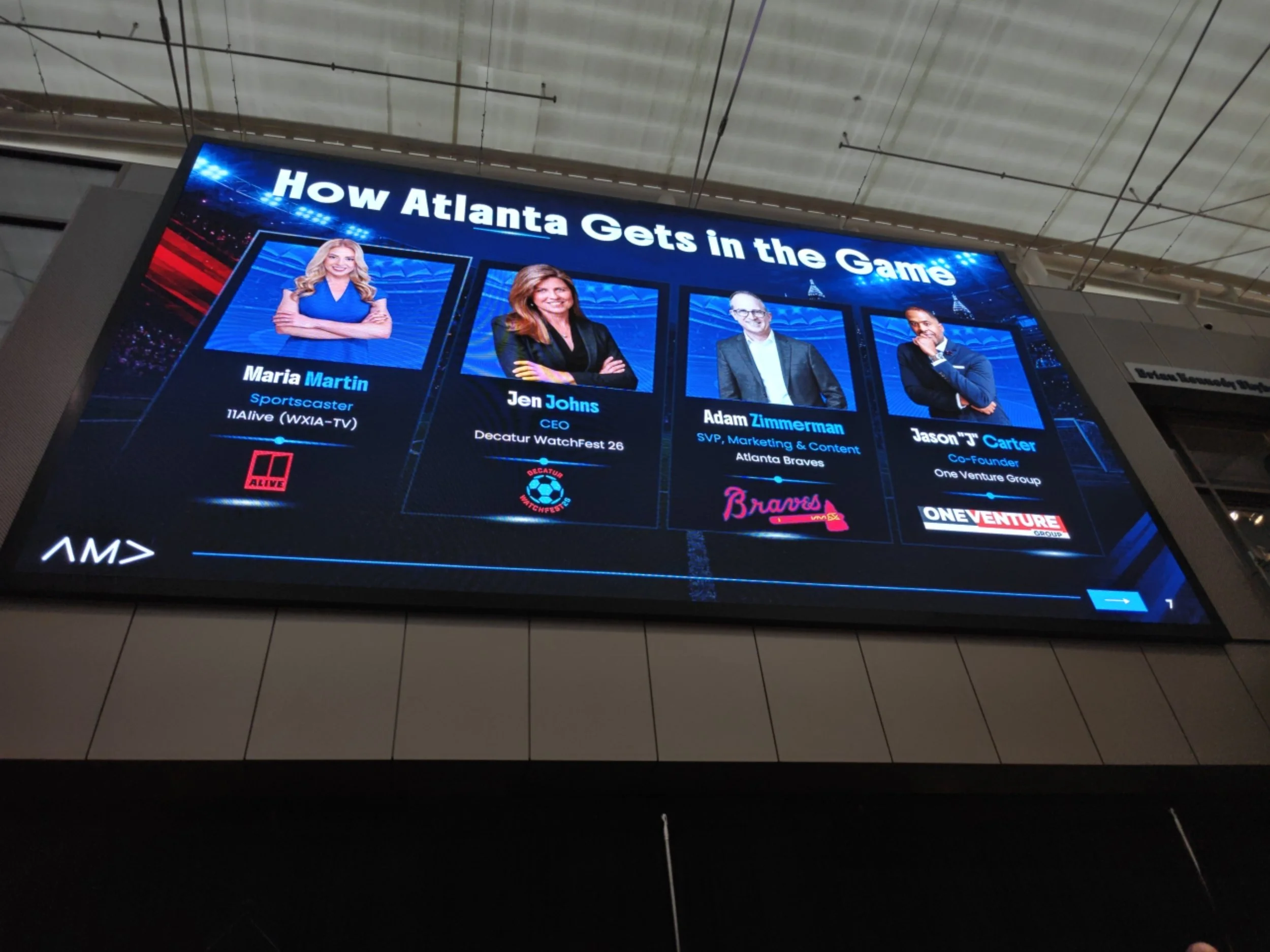
One of my favorite ideas from the event was Jason “J” Carter, Co-Founder of One Venture Group, reminding us that Atlanta should show visitors the “hues, colors, sounds, and tastes” of the city. That is the opportunity in front of brands, too. Not to create a generic World Cup activation that could happen anywhere, but to create something that could only happen here, in this city, for this 2026 World Cup.
F1 Arcade’s DuBose has the incredible job of introducing Atlanta culture to F1 and introducing F1 culture to Atlanta.
Then there are the Atlanta Braves. What on earth does a baseball team have to do with an international soccer tournament? Atlanta Braves SVP of Marketing & Content, Adam Zimmerman, shared that baseball is a global sport. The Braves have players from six different countries, the most culturally diverse roster in MLB this season, and the league has players from 16 countries. They see the World Cup games in Atlanta as an amazing opportunity to introduce baseball and Braves baseball to a global audience. How? They identified 72 consulate generals in Atlanta, and the Braves are offering World Cup viewing parties to each of them to showcase their culture to their own people and guests, as well as to locals. At the same time, the Braves are showcasing Truist Park, The Battery, and Atlanta baseball to international sports fans.
There’s also the Decatur Watchfest 26 organization, who has been planning how to bring the World Cup to Decatur and offer people ways to watch games, be with community, attend concerts and other events, and be a prime destination for people in the area who want to be a part of the World Cup, but who may not have tickets to live matches. As just one example of how they will showcase Atlanta’s culture and influence, Big Boi will open the Decatur Watchfest events with a concert, and the Indigo Girls will perform at the closing. CEO Jen Johns notes that “every genre in between” will perform during the Watchfest events.
What’s the Atlanta advantage? In the words of some of the speakers:
“Atlanta really does influence everything.”
“ATL just feels different. We show up full force.”
“Global city, youth, energy, sport, entrepreneurship, music, art.”
“More real than LA.”
“The cultures cross and mingle well.”
Did you know that Sports Business Journal recently named Atlanta the #1 Sports City in the USA? As a marketer with this pending World Cup opportunity, what can you do to showcase your brand in a unique way that’s embedded in Atlanta’s culture? How can you ensure that people can engage with your brand in organic, meaningful, memorable ways that help them experience the uniqueness of Atlanta during this year’s World Cup matches?
Authenticity matters more than proximity
The World Cup will create plenty of opportunities for brands to show up. But showing up is not the same as belonging.
One of the strongest reminders from the event was that brands cannot simply borrow the excitement of the World Cup and disappear when the games are over. Audiences (especially younger audiences!) know the difference between genuine participation and opportunistic marketing. Brands must show up consistently and give back to the causes that matter to their customers; they cannot dip in and dip out when an event is convenient.
Decatur Watchfest’s Johns shared that the three words they use that drive their programming and marketing decisions are, “Authentic. Intention. Inclusive.”
The brands that resonate will be the ones that understand the communities they are entering, contribute something meaningful, and create experiences that feel rooted rather than transactional.
Chick-fil-A has earned the right to engage in sports marketing after years of funding scholarships for college athletes. I previously mentioned the Carter’s x Umbro example. Georgia Power sponsored the creation and building of the Arthur M. Blank US Soccer national training center, including a court built for people with disabilities and indoor opportunities for sport year-round. Atlanta United started the Georgia 100, a commitment to build 100 soccer pitches (aka fields!) in the state of Georgia.
Think about how your brand is making a difference in this world. If it isn’t making a difference, what can you authentically do to change that? Brands do not need to be official FIFA sponsors to matter. But they do need a real reason to participate. The connection must be authentic, not opportunistic.
Community is the real legacy
Some of the most meaningful conversations of the day were not about stadiums, sponsors, or sold-out matches, they were about what remains after the World Cup leaves town.
Soccer in the Streets spoke to the power of bringing the game into schools, neighborhoods, and community spaces. During the World Cup, they are focusing on a Latin community in Doraville, Georgia. Soccer can give kids freedom, confidence, and a sense of belonging. Georgia Power’s investment in community courts showed how brands can support access in a way that outlasts a campaign. The same is true for Atlanta United’s Georgia 100.
That is where the idea of legacy becomes real. Not only in the economic impact or international exposure, but in the spaces, programs, and relationships that continue long after the final whistle.
Can your brand authentically participate while leaving behind a legacy after the matches are over?
It is not too late, but brands need to move with purpose
A clear call to action came through the event: brands do not have to be official FIFA sponsors to play a meaningful role, but they do need to be intentional.
The opportunity is not simply to put a logo near the excitement, it is to ask better questions: What can our brand contribute? Who can we bring together? What community can we support? What story can we tell that only makes sense coming from us?
There is still opportunity for Atlanta brands to participate, even if they are not official sponsors or have not been planning for years. But they must act thoughtfully and purposefully.
Marketer Takeaways
For marketers, the lessons from the event were clear:
Do not force the connection. If your brand wants to participate in the World Cup moment, start by identifying why the connection makes sense.
Design for participation. People do not just want to watch. They want to gather, share, wear, create, and belong.
Lead with emotion. The most memorable brand moments are not always the biggest. They are the ones people feel.
Partner with local voices. Atlanta’s culture is already powerful. Brands should elevate it, not try to overwrite it.
Build for legacy. The best activations will not end when the tournament ends. They will leave something useful, meaningful, or memorable behind.
Atlanta has the ball, but that does not mean every brand needs to force itself into soccer. Every brand should be asking what role it can authentically play in a once-in-a-generation civic, cultural, and emotional moment.
Some brands will host. Some will sponsor. Some will entertain. Some will feed people, outfit people, gather people, or invest in places where kids can play long after the World Cup leaves town.
The opportunity is not just exposure. The opportunity is memory.
The world is coming to Atlanta. What will they remember? If Atlanta and Atlanta brands get this right, they will remember more than the matches. They will remember how this city made them feel.





Setup CEO + Founder, Joe Koufman, sat down with Meredith Winczewski, the Chief Marketing Officer for Honeywell, to talk about authentic leadership, the value of listening, why marketers should not be afraid of lateral career moves, the importance of digging into data, and how AI is helping make complex marketing work more efficient.