
Atlanta Has the Ball + Entertainment Is the Assignment
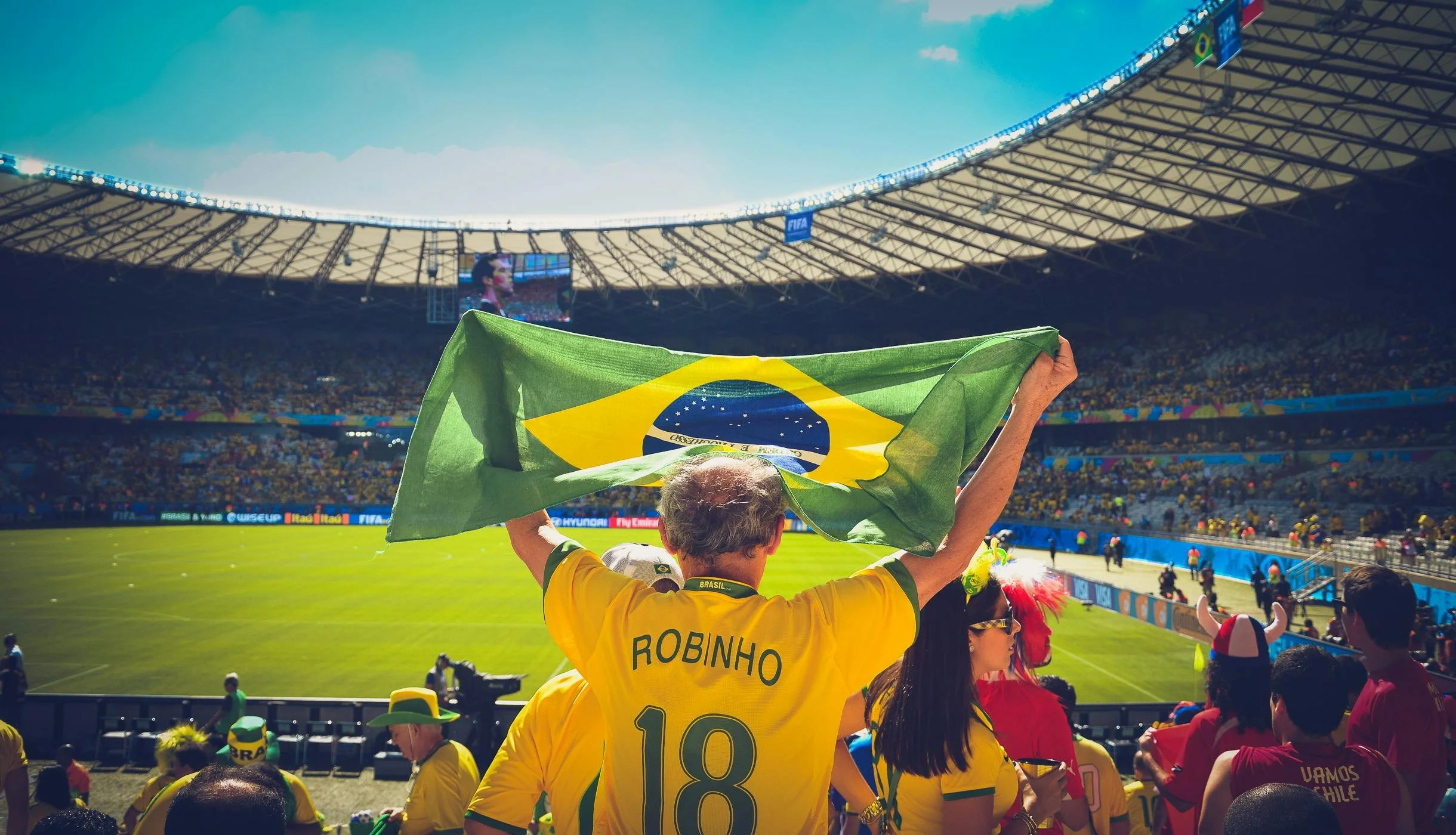
Atlanta’s World Cup moment is here, and arriving at a time when sports, entertainment, tourism, and brand storytelling are increasingly overlapping.
This is a significant marketing opportunity for everyone ranging from official brand sponsorships to local venues, neighborhoods, and cultural institutions to shape the visitor experience.
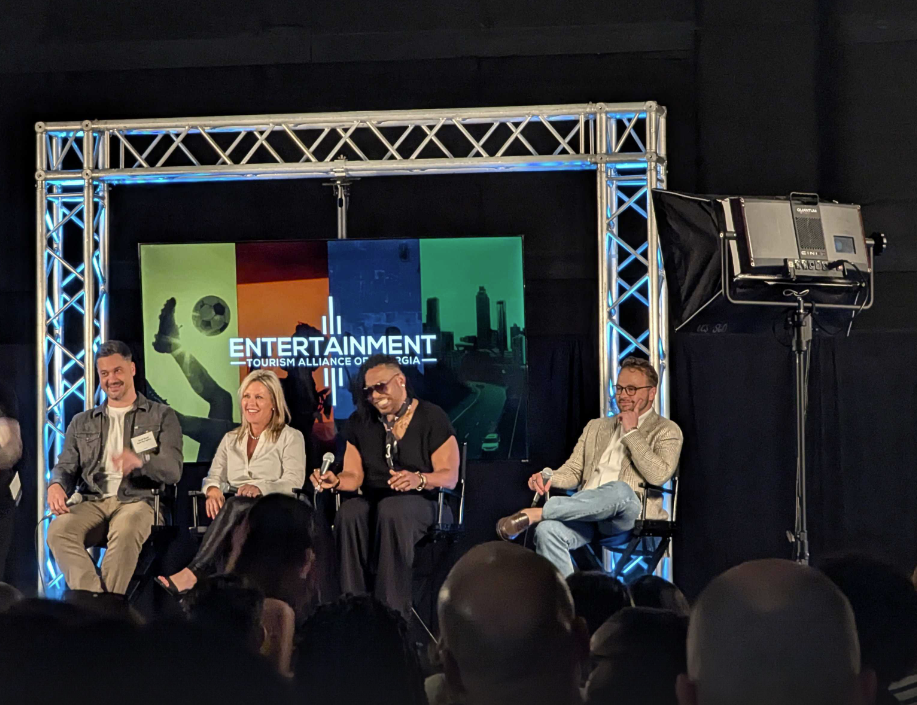
Setup has already touched both sides of this idea in “Atlanta Has the Ball. What Will the World Remember?” and “Entertainment Is the New Marketing Frontier,” really emphasizing that Atlanta is preparing for a global audience, and the brands that matter most in this moment will be the ones that understand how to build an unforgettable experience.
The World Cup City Shake Up
The 2026 FIFA World Cup will be the largest in tournament history, with 48 teams and 104 matches across the United States, Canada, and Mexico. Atlanta’s Mercedes-Benz Stadium is scheduled to host eight matches, including a semifinal, meaning the economic stakes are substantial.
FIFA-related projections cited in U.S. policy discussions estimated that the 2025 Club World Cup and the 2026 World Cup together could generate $47.6 billion in gross output, $26.8 billion in GDP, and support more than 290,000 jobs across the United States. Atlanta-specific business leaders have described the city’s share as a “generational opportunity,” with local estimates around a $500 million boost.
Locally, Atlanta has been cleaning itself up over the past few months in preparation for visitors. Axios reported that the city will host Global Grub Alley, a pedestrian food truck corridor near the official fan festival at Centennial Olympic Park, specifically designed to support local small businesses during the tournament. Axios also reported that South Downtown is accelerating redevelopment, adding restaurants, broader sidewalks, outdoor gathering areas, and public-facing event space in time for visitors.
Major events where everyone’s eyes are on you push cities to improve the experience around the event, not just the event itself.
How can brands engage audiences?
In “Entertainment Is the New Marketing Frontier,” the point was that audiences are no longer comparing one brand campaign to another. They are comparing everything to the most compelling thing they watched, attended, streamed, or shared that week. The World Cup will work the same way. Visitors will judge Atlanta by what happens inside the stadium, as well as the hospitality, food, public space, nightlife, transit, creator content, neighborhood energy, and the way local brands make the city feel.
That shift is also visible in how brands are approaching the tournament itself. The Wall Street Journal reported that Adidas’ World Cup campaign, led by a cinematic five-minute film called “Backyard Legends” featuring Timothée Chalamet, Lionel Messi, David Beckham, Zidane, Trinity Rodman, and others, was built to function more like entertainment than a traditional ad. The campaign helped support Adidas’ momentum heading into the tournament as the brand increased marketing investment and pushed harder into cultural storytelling.
Vogue made a similar point in recent coverage of the World Cup brand race, noting that Adidas and Nike are not just fighting for sportswear sales. They are competing through celebrity casting, athlete partnerships, tunnel-walk fashion, TikTok-native storytelling, and short-form content designed to keep the tournament culturally relevant before, during, and after the matches. Vogue also pointed to brands like Levi’s, Burberry, and Urban Outfitters building soccer-adjacent campaigns that merge fashion and fandom. Some articles like Inc., think Nike is “cooked” for their ad. Read more here.
Global brands are treating the World Cup like a cultural platform, so local brands should also highlight their unique flair.
What is working with World Cup Campaigns?
A few patterns are emerging from the brand activity around the tournament.
First, sportswear brands are building narrative worlds instead of pushing promotions. Adidas’ “Backyard Legends” campaign works because it taps nostalgia, celebrity, football credibility, and cinematic scale all at once. It gives fans something to watch and care about.
Second, brands are blending global reach with local relevance. Vogue described this as a “glocal” approach: large brands need scale, but they also need cultural specificity. Campaigns tied to fashion, streetwear, or women’s fandom are speaking to how people actually participate in the sport now.
Third, adjacent categories are using the tournament to join the conversation in ways that feel native to culture. Even outside the traditional sportswear giants, brands are releasing World Cup-themed collections, like 4AD’s football-inspired capsule and Adidas’ fashion collaborations timed to the tournament. These are not official “buy this because the World Cup is here” campaigns. The ads sit inside the aesthetic and emotional energy of the event.
Consumers respond more strongly when a campaign participates in culture rather than manipulates the situation or yells to have their voice heard.
Atlanta’s opportunity could be bigger than the Olympics
The 1996 Olympics is still the clearest comparison for Atlanta this year. The Games welcomed more than 2 million visitors, sold a then-record 8.3 million tickets, and reached an estimated 3.5 billion television viewers worldwide. They also helped drive long-term downtown development, including Centennial Olympic Park and surrounding investment that has been measured in the billions.
But the media environment is completely different now.
In 1996, a city could shape perception largely through television coverage, official press, and the in-person event itself. In 2026, every visitor becomes a publisher. Every restaurant, neighborhood, transit experience, and branded installation can become part of the city’s narrative in real time. That means Atlanta’s image will be shaped not only by official coverage, but by TikToks, Instagram stories, fan content, brand activations, and recommendations shared peer-to-peer.
That also raises the bar for local brands. You have to be both present and improve your part of the experience.
What Atlanta brands need to know
Build around the experience and the exposure will follow. If a brand is thinking only about logo placement or short-term awareness, it is underestimating the moment. The stronger play is to create something useful, memorable, or shareable: a public-facing activation, a hospitality layer, a multilingual guide, a neighborhood tie-in, a food or music partnership, a watch-party series, or a content collaboration that helps fans feel more connected to the city.
Lean into what is already true about Atlanta. The city does not need imported spectacle to feel global. It already has sports infrastructure, food culture, Black culture, immigrant communities, music, film production talent, and a recognizable identity. The most effective World Cup marketing from Atlanta brands will likely come from amplifying those strengths rather than flattening them into generic “host city” messaging.
Take the long view. Mega-events often create a burst of attention, but the brands that benefit most are the ones that use the event to build relationships, brand equity, and community visibility that last beyond the final match. That is one reason the entertainment comparison is so useful. The smartest entertainment marketers optimize beyond opening weekend to build fandom, memory, and repeat engagement.
The World Cup will bring global attention to Atlanta, but attention alone is not the prize. The more important outcome is whether visitors, locals, and fans leave with a stronger emotional association to the city and to the brands that helped shape their experience.
From the sports side, Atlanta has a rare opportunity to host a defining global event and from the entertainment side, the companies that will stand out are the ones that understand modern audiences want more than advertising. Audiences want relevance, participation, and experiences worth talking about.
The city already has the stage, and now the brands need to put on a performance that counts.

Setup CEO + Founder, Joe Koufman, sat down with Meredith Winczewski, the Chief Marketing Officer for Honeywell, to talk about authentic leadership, the value of listening, why marketers should not be afraid of lateral career moves, the importance of digging into data, and how AI is helping make complex marketing work more efficient.